NHS 111 Urgent Care Appointment System Film
A public health film created for Hertfordshire and West Essex Integrated Care System, explaining a new urgent care appointment system introduced to keep patients safe during the coronavirus pandemic.
CLIENT
Hertfordshire and West Essex Integrated Care System
SECTOR
Public sector · Healthcare · NHS
SERVICES
Script development · Storyboarding · Interview planning · Voiceover · Filming · Editing · Final delivery
The brief
As the coronavirus pandemic continued, the NHS relied heavily on video to relay key public health messages clearly and quickly. Hertfordshire and West Essex Integrated Care System (now part of the Central East ICB) commissioned a film to explain a new appointment system for urgent NHS services, launching across the region from the start of December.
The new approach, introduced nationwide, was designed to keep urgent NHS services safe and available for everyone who needed them. The challenge was explaining a genuinely important behaviour change, calling NHS 111 or visiting 111.nhs.uk before travelling, in a way the public would understand and actually act on.
The finished film needed to work across ICS communications and public messaging during a period when clarity and public trust genuinely mattered.
The approach
Working closely with the ICS communications team, the priority was making a genuinely confusing change to NHS access feel simple and reassuring, not clinical or bureaucratic.
Rather than a dry explainer, the aim was a film that helped the public understand:
- Why the new appointment system was being introduced
- How to actually use NHS 111 and 111.nhs.uk
- Why this kept both patients and NHS staff safer during the pandemic
- What to expect once a booked appointment had been arranged
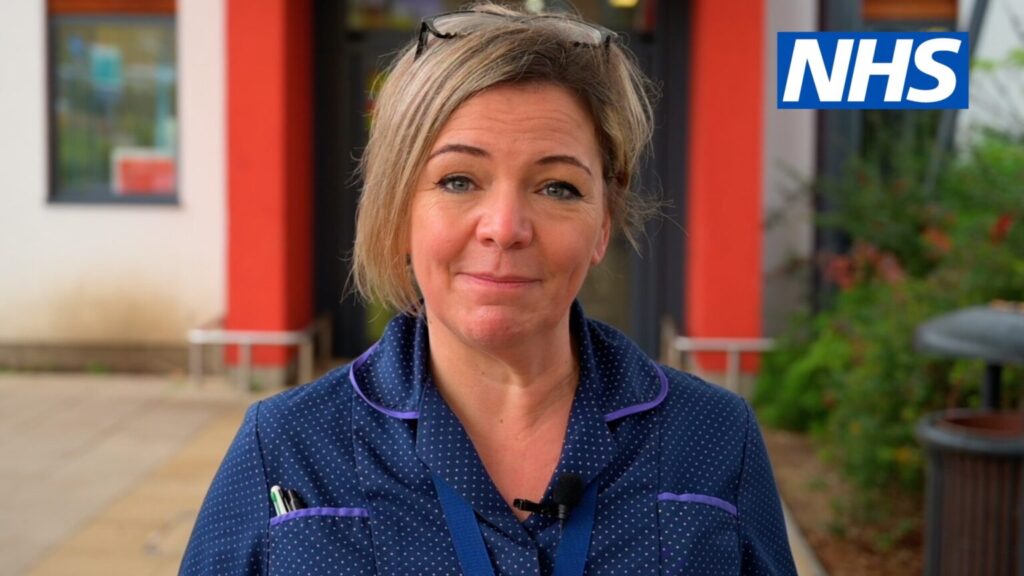
The film was built around real Emergency Department staff explaining the new process in their own words, chosen deliberately over an animated or purely narrated explainer, since a genuine clinical voice carried more public trust during a health crisis.
Production
The project involved managing the complete process from brief through to final delivery, at genuine speed given the timescale the ICS was working to. This included:
- Working with the ICS communications team to get the clinical detail accurate while keeping the language genuinely accessible
- Filming with real Emergency Department staff on location, rather than actors or a studio setup
- Structuring the film around the actual patient journey, from calling 111 through to arriving at the right appointment
- Filming in a live clinical environment, working around real NHS staff and genuine safety requirements
- Editing for clarity and pace, since the film needed to hold attention while still communicating an important safety message in full
Throughout, close communication with the ICS team ensured the finished film was clinically accurate as well as genuinely watchable, not something that could be taken for granted with public health messaging during a pandemic.
The result
The finished film gave Hertfordshire and West Essex ICS a clear, trustworthy explainer they could share directly with the public at exactly the moment it mattered most.
It helped the public understand a genuinely important change in how urgent care worked, calling 111 or going online before travelling, backed by the credibility of real Emergency Department staff explaining it themselves.
By combining clear messaging, a genuine clinical voice and fast turnaround, the film supported a new approach agreed through partnership working between three acute hospitals, GP-led clinical commissioning groups and the local NHS 111 service, delivered on schedule during a period when public health messaging genuinely could not wait.
Why this project worked
This project shows what video can do for healthcare communication under real pressure. During a genuinely critical period, a clear, well-produced film helped the public understand a new way of accessing urgent care, reducing unnecessary emergency department visits and the risk that came with them.